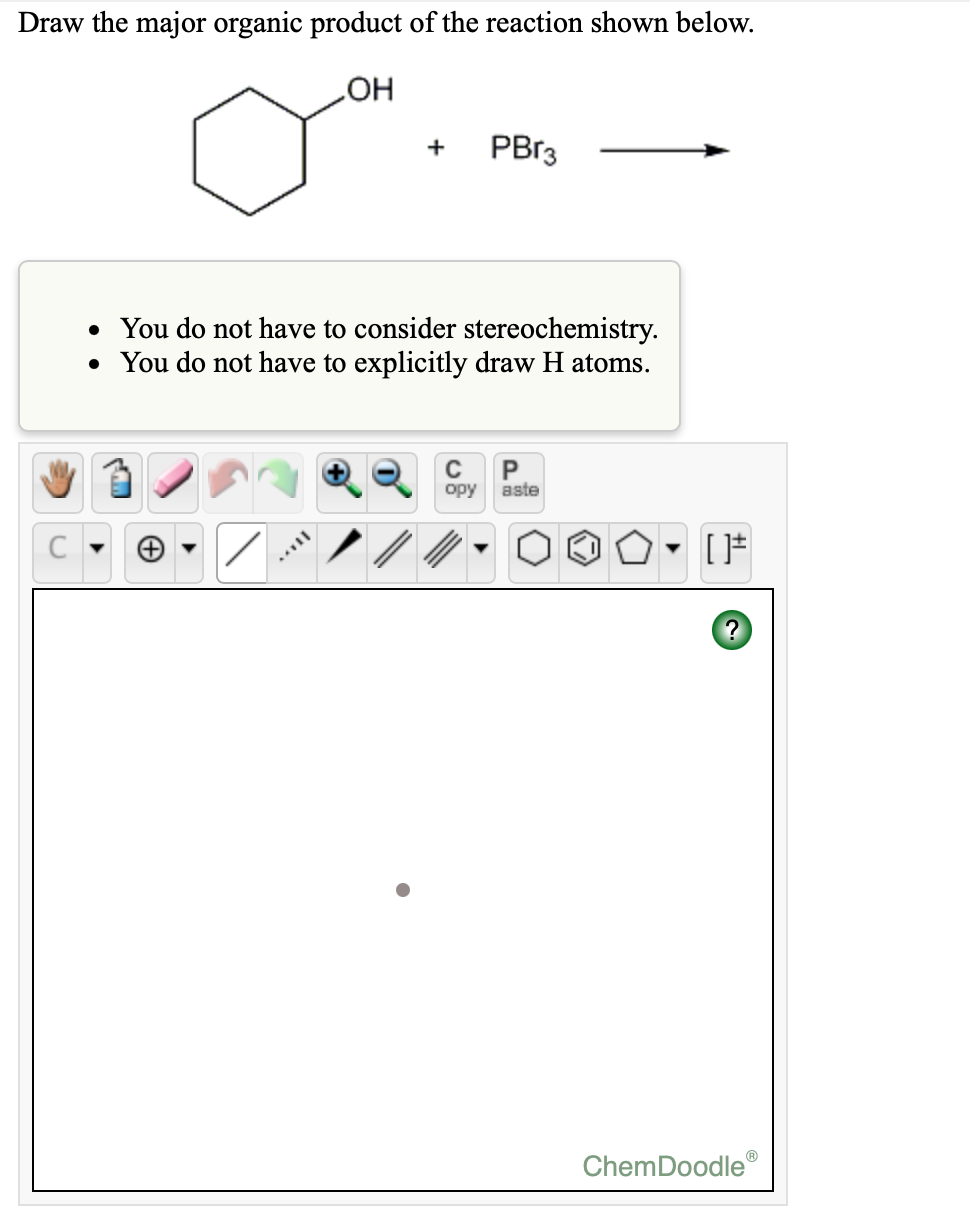
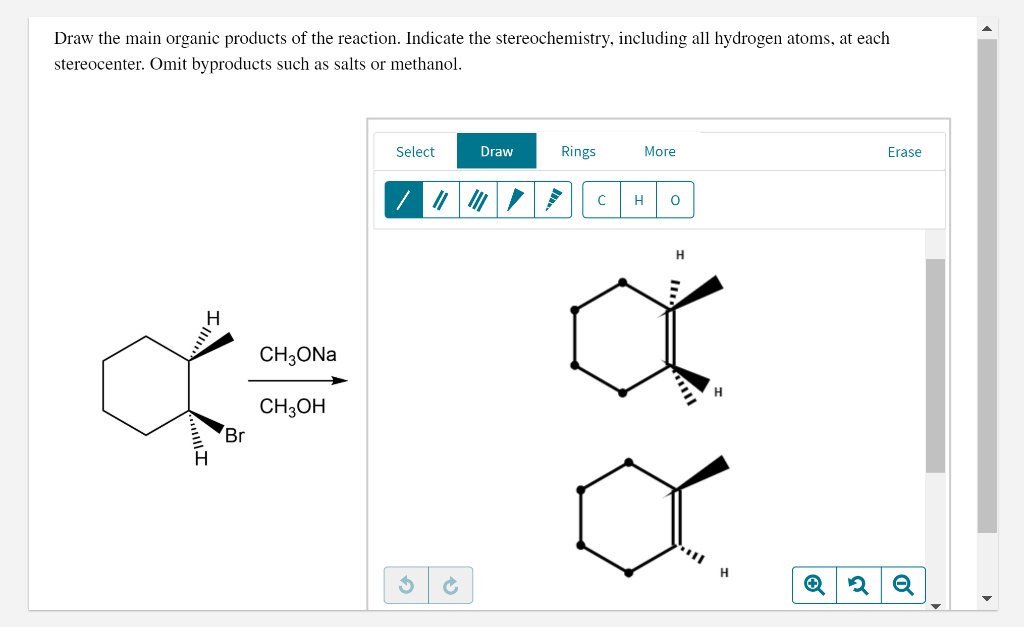
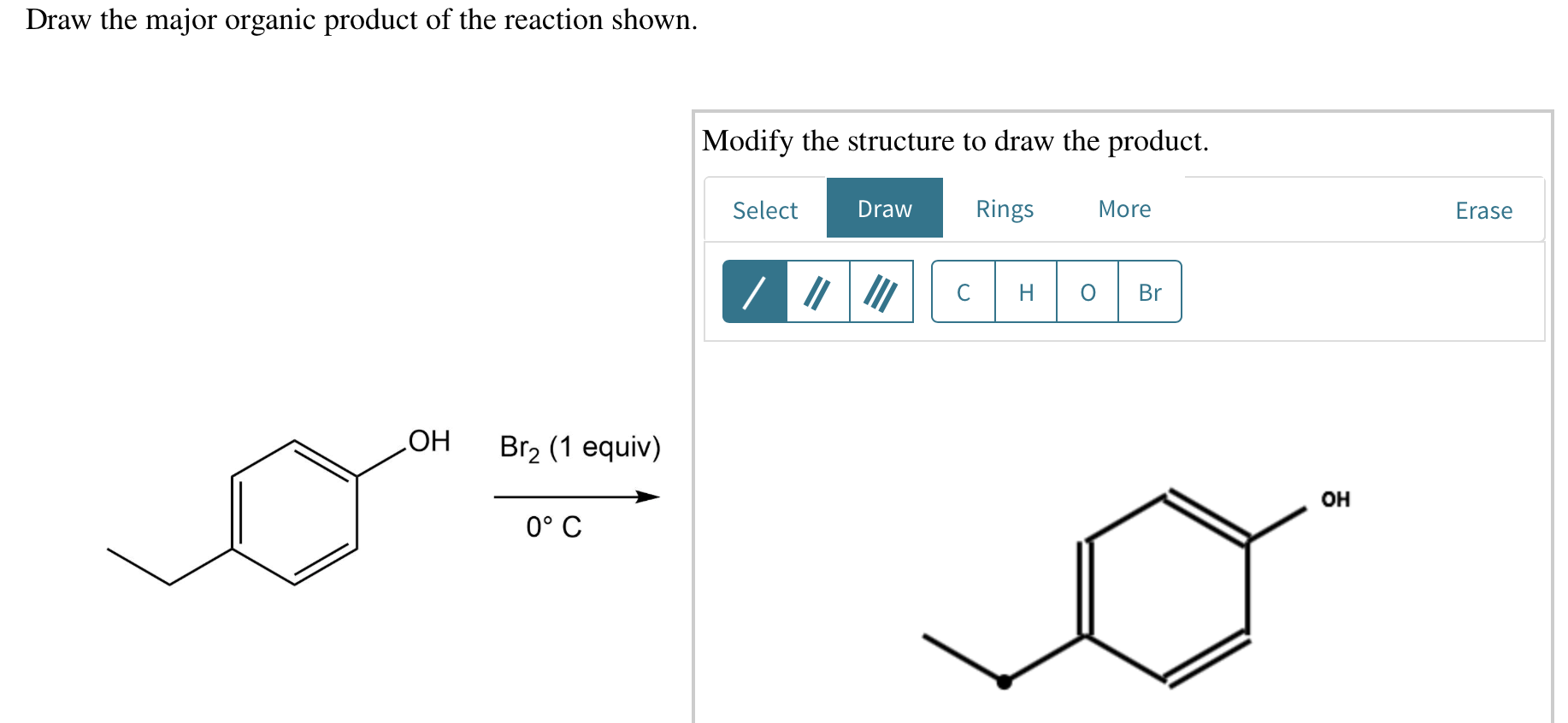
Draw The Product Of The Reaction
Draw The Product Of The Reaction - We can also draw the reverse of the previous reaction. Web a chemical equation describes a chemical reaction. Web draw the products of the following reactions. Web a chemical equation describes a chemical reaction. An equilibrium (the state at which both ‘reactants and products are present in equal concentration) always proceeds toward stable species (least reactive). There is a button in the middle that allows you to select the reagent. Web draw the products of each reaction and determine the direction of equilibrium. Web draw the products of the following reactions, including all stereoisomers: The product formed when the bond to h is formed is called the conjugate acid. Using the input to the left you can build a reactant by hand. Web draw the products of the following reactions, including all stereoisomers: Web a chemical equation describes a chemical reaction. There is a button in the middle that allows you to select the reagent. Web draw the organic products of the following reaction. Your solution’s ready to go! Web a given chemical reaction can be represented using a particulate diagram, in which the reaction mixture is depicted both before the reaction occurs and after the reaction has proceeded completely as possible. Select the reagent and press the react button to see the application in action. Web draw the products of each reaction and determine the direction of equilibrium. Web a chemical equation describes a chemical reaction. Web draw the products of the following reactions. An equilibrium (the state at which both ‘reactants and products are present in equal concentration) always proceeds toward stable species (least reactive). Web draw the products of each reaction and determine the direction of equilibrium. We can also draw the reverse of the previous reaction. Web draw the products of the following reactions. Web a given chemical reaction can be. And then now this oxygen we have three lone pairs of electrons around it which gives this. Web the product formed when the bond to h is broken is called the conjugate base. The product formed when the bond to h is formed is called the conjugate acid. So on the left we would have our carbon double bonded to. The product formed when the bond to h is formed is called the conjugate acid. This video solution was recommended by our tutors as helpful for the problem above. Web a chemical equation describes a chemical reaction. So on the left we would have our carbon double bonded to our oxygen. Web a chemical equation describes a chemical reaction. Using the input to the left you can build a reactant by hand. So on the left we would have our carbon double bonded to our oxygen. And then now this oxygen we have three lone pairs of electrons around it which gives this. Web draw the products of the following reactions, including all stereoisomers: This video solution was recommended. Web draw the products of the following reactions. And then now this oxygen we have three lone pairs of electrons around it which gives this. This video solution was recommended by our tutors as helpful for the problem above. We can also draw the reverse of the previous reaction. There is a button in the middle that allows you to. We can also draw the reverse of the previous reaction. An equilibrium (the state at which both ‘reactants and products are present in equal concentration) always proceeds toward stable species (least reactive). Select the reagent and press the react button to see the application in action. Web draw the products of each reaction and determine the direction of equilibrium. So. And then now this oxygen we have three lone pairs of electrons around it which gives this. So on the left we would have our carbon double bonded to our oxygen. An equilibrium (the state at which both ‘reactants and products are present in equal concentration) always proceeds toward stable species (least reactive). Web draw the products of the following. Web draw the products of the following reactions. Web draw the products of each reaction and determine the direction of equilibrium. So on the left we would have our carbon double bonded to our oxygen. Web a chemical equation describes a chemical reaction. An equilibrium (the state at which both ‘reactants and products are present in equal concentration) always proceeds. This video solution was recommended by our tutors as helpful for the problem above. Select the reagent and press the react button to see the application in action. So on the left we would have our carbon double bonded to our oxygen. Web a chemical equation describes a chemical reaction. Web draw the products of each reaction and determine the. Web draw the organic products of the following reaction. So on the left we would have our carbon double bonded to our oxygen. And then now this oxygen we have three lone pairs of electrons around it which gives this. Web draw the products of the following reactions, including all stereoisomers: Web draw the products of the following reactions. Web the product formed when the bond to h is broken is called the conjugate base. And then now this oxygen we have three lone pairs of electrons around it which gives this. Web draw the organic products of the following reaction. Web a chemical equation describes a chemical reaction. We can also draw the reverse of the previous reaction. Web draw the products of the following reactions. Web a given chemical reaction can be represented using a particulate diagram, in which the reaction mixture is depicted both before the reaction occurs and after the reaction has proceeded completely as possible. So on the left we would have our carbon double bonded to our oxygen. Web a chemical equation describes a chemical reaction. Web draw the products of the following reactions, including all stereoisomers: There is a button in the middle that allows you to select the reagent. Select the reagent and press the react button to see the application in action. Web draw the products of each reaction and determine the direction of equilibrium. An equilibrium (the state at which both ‘reactants and products are present in equal concentration) always proceeds toward stable species (least reactive).Solved Draw the major organic product of the reaction shown
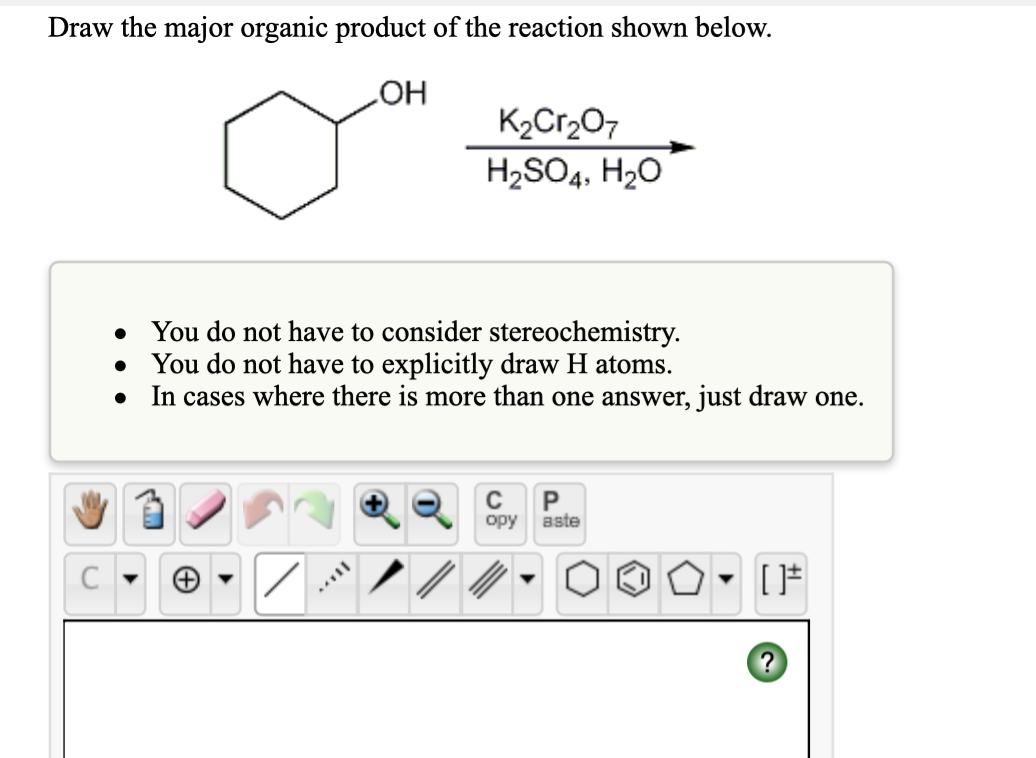
Draw The Major Organic Product Of The Reaction Shown vrogue.co

Draw The Product S Of The Following Reactions
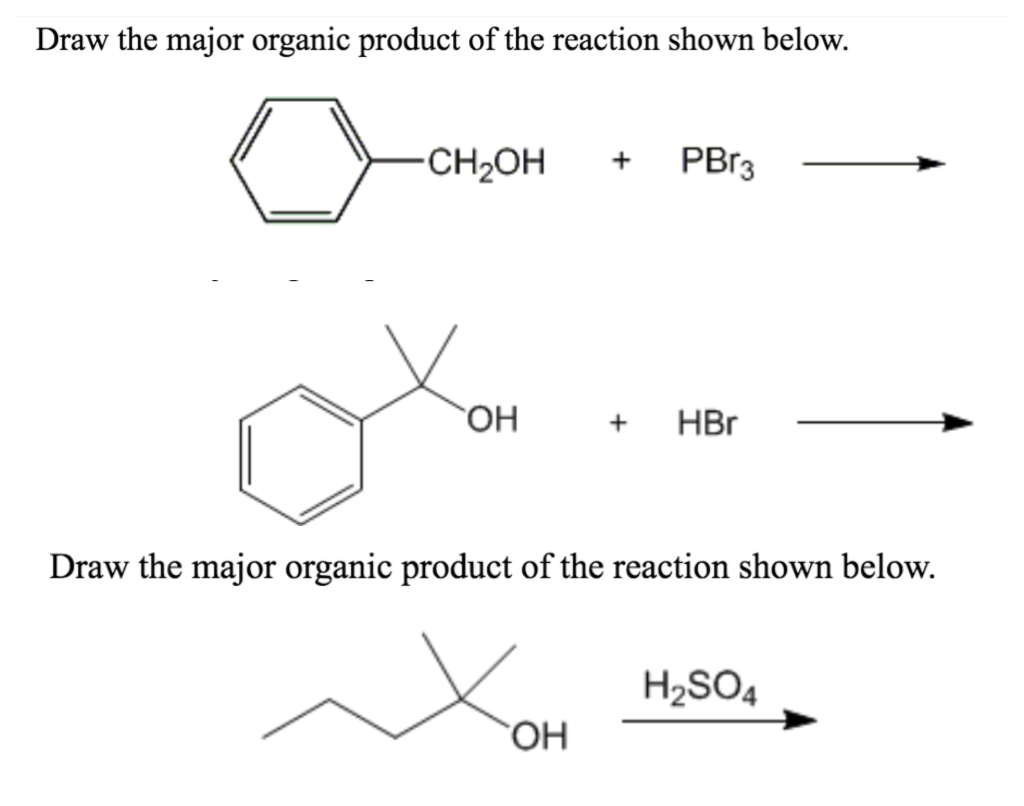
Draw The Major Organic Product Of The Reaction Shown Below The Expert
Solved Draw the main organic products of the reaction.
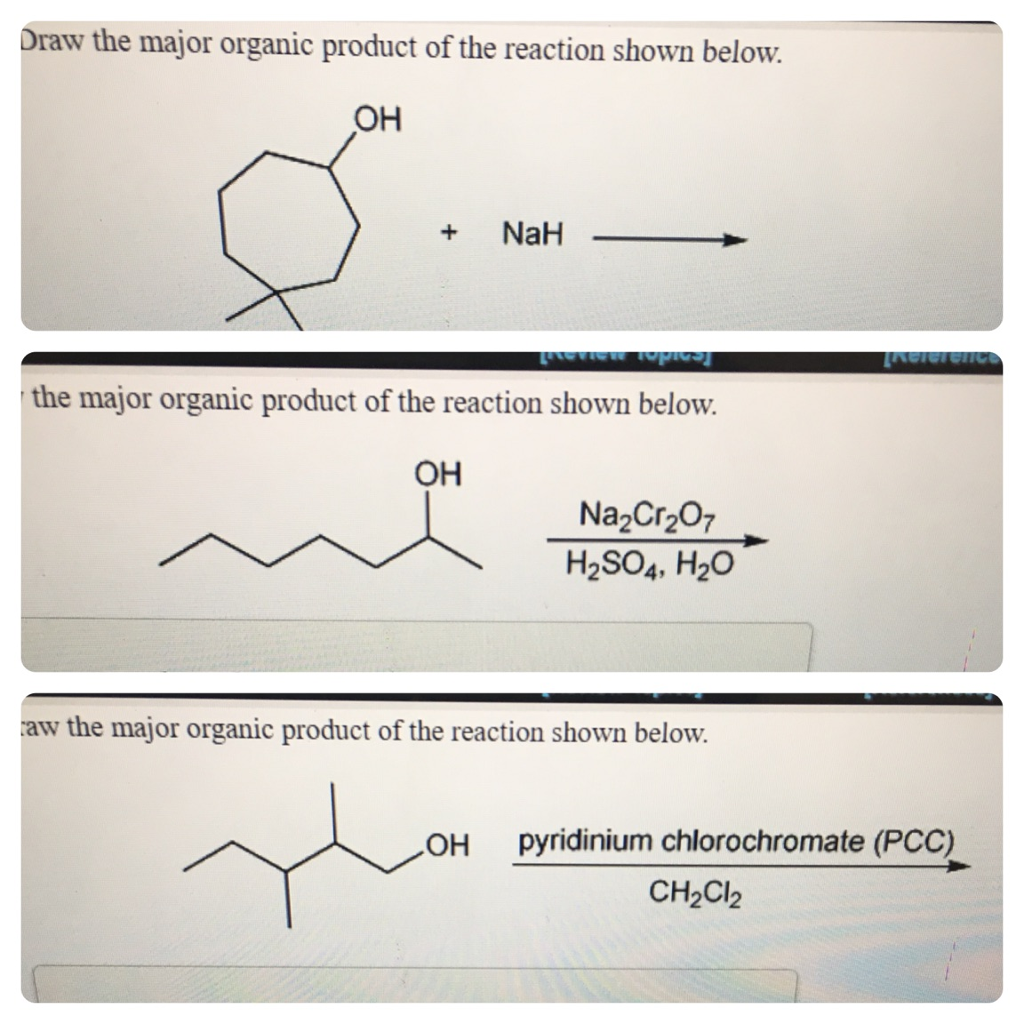
Draw One Of The Products Of The Reaction Below
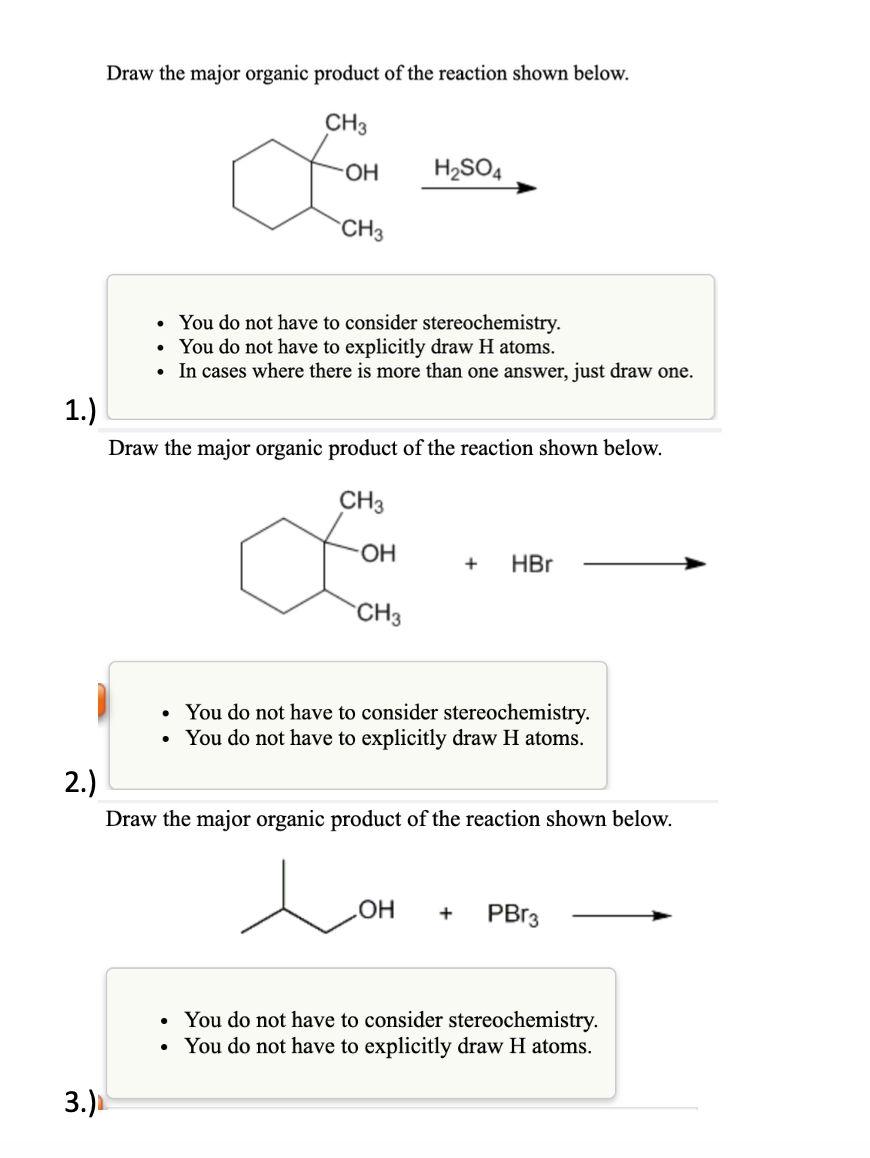
Solved Draw the major organic product of the reaction shown

draw the organic products of the following reaction YouTube

Draw The Major Product Of The Reaction Shown.
Solved Draw the major organic product of the reaction shown.
The Product Formed When The Bond To H Is Formed Is Called The Conjugate Acid.
Using The Input To The Left You Can Build A Reactant By Hand.
Your Solution’s Ready To Go!
This Video Solution Was Recommended By Our Tutors As Helpful For The Problem Above.
Related Post: